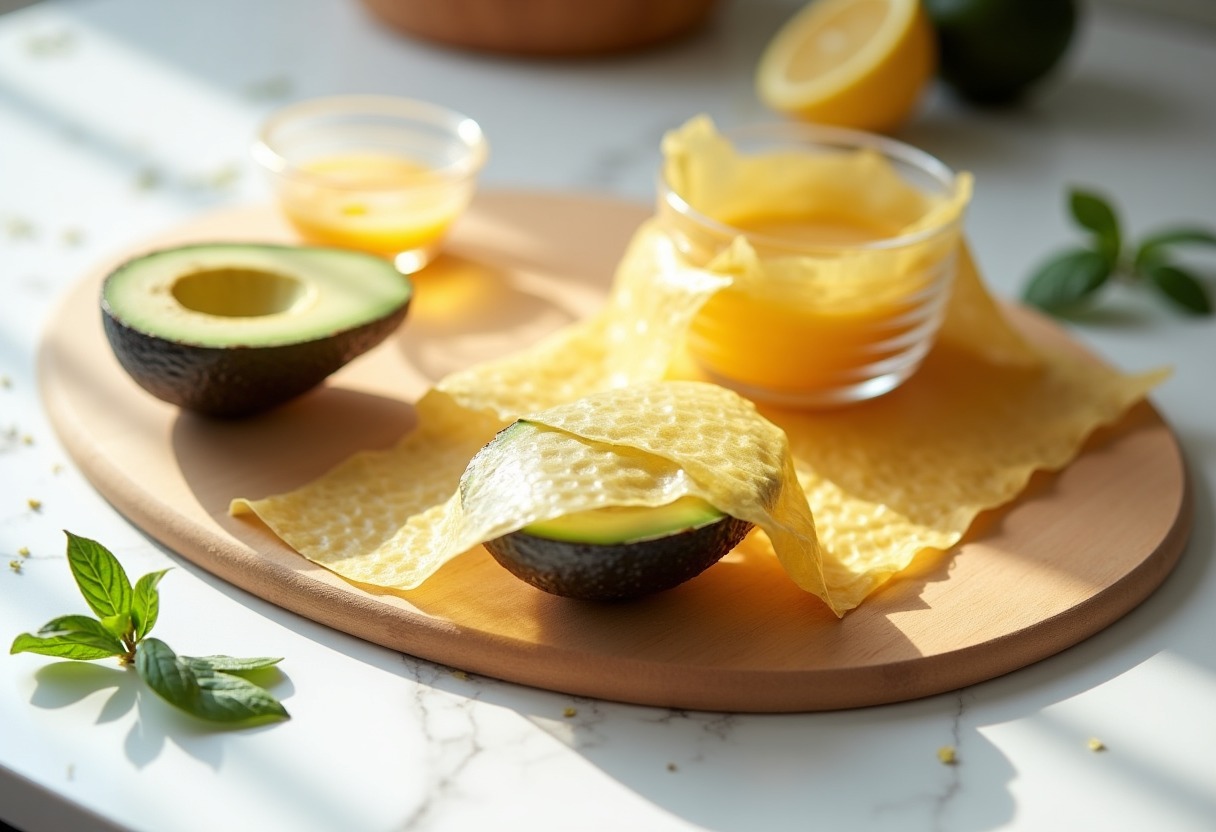
Plastic wrap clings to your avocado half but also to your conscience — especially when you discover those tiny plastic particles can migrate into food. Natural food wraps offer a cleaner solution that protects your leftovers without compromising your health or values.
Why Natural Food Wraps Beat Plastic Every Time
Traditional plastic wrap contains chemicals like plasticizers and BPA that can leach into food, particularly when exposed to heat or acidic ingredients. The FDA has ongoing research into food contact substances, including plastic films used in food packaging. Beyond health concerns, single-use plastic wrap generates massive waste — Americans throw away roughly 380 billion feet of plastic wrap annually.
Natural food wraps solve both problems. They create an effective seal using materials like beeswax, plant-based waxes, or food-grade silicone. Most can be washed and reused hundreds of times, making them cost-effective long-term. Unlike plastic wrap that requires perfect technique to avoid frustrating tangles, natural wraps mold easily to containers and food surfaces using just the warmth of your hands.
The antimicrobial properties in beeswax naturally help preserve food freshness, while breathable materials prevent the condensation buildup that can make vegetables soggy in plastic wrap.
Types of Natural Food Wraps Explained
Beeswax wraps top the popularity list for good reason. Made from organic cotton infused with beeswax, tree resin, and sometimes jojoba oil, they become pliable with hand warmth and hold their shape as they cool. → Shop beeswax food wraps on Amazon. They work perfectly for covering bowls, wrapping cheese, or storing half an onion. The natural antibacterial properties of beeswax help keep food fresh longer than plastic alternatives.
Vegan wax wraps use plant-based waxes like candelilla or soy instead of beeswax, making them suitable for plant-based households. → Shop vegan wax wraps on Amazon. They function identically to beeswax wraps but may be slightly less sticky initially.
Silicone food covers stretch over bowls and containers like reusable lids. → Shop silicone food covers on Amazon. They create an airtight seal, work in freezers and microwaves, and clean easily in the dishwasher. While not technically wraps, they excel at covering leftovers and work especially well for liquidy foods that might leak through wax wraps.
Organic cotton food wraps without wax offer a lightweight option for dry goods like bread or produce. They're washable, breathable, and perfect for situations where you need protection without an airtight seal.
Natural Food Wraps vs Plastic Wrap Comparison
| Feature | Natural Wraps | Plastic Wrap | |---------|---------------|---------------| | Reusability | 200+ uses per wrap | Single use only | | Cost per use | $0.05-0.15 after initial investment | $0.02-0.03 per use | | Food safety | No chemical migration, some antimicrobial properties | Potential plasticizer leaching | | Versatility | Bowls, direct food contact, some heat tolerance | Universal but heat-sensitive | | Storage needs | Minimal — fold and store flat | Requires dispenser, tears easily | | Waste impact | Compostable at end of life | Contributes to plastic pollution | | Effectiveness | Excellent for most foods, breathable | Superior cling, airtight seal | | Learning curve | Requires technique for best results | Familiar to most users |
The upfront cost of natural wraps ranges from $15-30 for a starter set, but they pay for themselves within 2-3 months of regular use. Unlike our Natural Food Storage Containers Guide which covers rigid storage options, these flexible wraps adapt to irregular food shapes and work beautifully for meal prep alongside tools like those featured in our Raw Vegan Meal Prep Beginners Guide.
Best Natural Food Wrap Products by Category
Best Overall: Bee's Wrap Assorted Set
The original beeswax wrap company offers consistent quality with organic cotton, sustainably sourced beeswax, and tree resin. Their variety pack includes small (7x8"), medium (10x11"), and large (13x14") wraps that handle most kitchen tasks. → Shop organic cotton food wraps on Amazon.
Best Budget Option: DIY Beeswax Wrap Kits
Make your own using organic cotton fabric, beeswax pellets, and pine resin. Kits cost roughly half the price of pre-made wraps and let you customize sizes. Perfect for families who go through wraps quickly.
Best for Vegans: Etee Vegan Food Wraps
These plant-based wraps use organic cotton with candelilla wax, tree resin, and organic coconut oil. They perform identically to beeswax versions with excellent cling and durability.
Best for Liquids: Silicone Stretch Lids Set
While not wraps, these BPA-free silicone covers create airtight seals on bowls, cans, and containers. They withstand temperature extremes and clean easily. → Shop reusable sandwich wraps on Amazon.
Best for Bread: Organic Cotton Bread Bags
Uncoated organic cotton bags keep bread fresh while allowing it to breathe, preventing the sogginess that occurs with plastic bags. They wash easily and last for years.
Advanced Tips for Natural Wrap Success
Temperature management makes the difference between frustration and success with wax wraps. Work with slightly warm hands — run them under warm water briefly if needed. Cold wraps won't cling properly, while overheated wax becomes too soft to hold its shape. For stubborn wraps, place them near (not on) a warm stovetop for 10-15 seconds.
Surface preparation matters more than most guides mention. Clean, dry surfaces create better seals. For rough-textured bowls, press the wrap firmly around the rim before smoothing over the surface. Glass and ceramic work better than textured pottery or metal bowls with raised designs.
Strategic sizing prevents waste and improves effectiveness. Use the smallest wrap that covers your food with 2-3 inches of overhang. Oversized wraps bunch awkwardly and won't seal properly. Keep a variety of sizes available — most households need 60% small, 30% medium, and 10% large wraps.
Proper cleaning extends wrap life significantly. Use cool water and mild dish soap — never hot water, which melts the wax. For stubborn residues, use a soft brush or cloth. Air dry completely before storing to prevent mold. Well-maintained wraps last 12-18 months with regular use.
Creative applications beyond basic food storage include covering rising bread dough, protecting cutting boards during transport, and wrapping homemade gifts. When storing highly acidic foods like citrus or tomatoes, use two thin layers rather than one thick wrap to prevent breakdown of the wax coating.
Frequently Asked Questions
Can natural food wraps go in the refrigerator and freezer? Most natural food wraps work excellently in refrigerators where the cool temperature helps them maintain their shape and seal. Beeswax and plant-based wax wraps become firmer in cold conditions, creating better seals around containers and food. For freezer use, silicone covers work best as they remain flexible at sub-zero temperatures, while wax wraps may crack if folded when frozen. Cotton wraps without wax coatings work well for dry goods in freezers but won't provide moisture protection.
How do you clean natural food wraps without ruining them? Clean wax-based wraps with cool water and gentle dish soap, using your hands or a soft cloth to remove food particles. Never use hot water, aggressive scrubbing, or put them in dishwashers — heat melts the wax coating permanently. For stubborn residues, let them soak briefly in cool soapy water, then gently rub with a soft brush. Silicone covers can handle hot water and dishwashers safely. Always air dry completely before storing to prevent mold growth, and avoid wringing or twisting wax wraps while wet.
Which foods should you avoid wrapping with natural wraps? Raw meats require extra caution with any reusable wrap due to bacterial contamination risks, though they can be used if cleaned immediately and thoroughly afterward. Very hot foods will melt wax coatings, so let food cool to room temperature first. Highly acidic foods like cut lemons or marinades can break down wax over time, though occasional use is fine. Avoid wrapping foods with strong odors like onions in wraps you plan to use for delicate items like bread, as some scent transfer occurs despite cleaning.
Do natural food wraps actually keep food fresh longer than plastic wrap? Natural wraps excel with many foods but work differently than plastic wrap. Beeswax wraps allow some air circulation, which prevents condensation buildup that makes vegetables soggy — lettuce and herbs often stay crisp longer. The antimicrobial properties in beeswax can help preserve certain foods, particularly cheese and bread. However, plastic wrap creates a more complete moisture barrier, making it better for foods that dry out quickly. For most produce and leftovers, properly applied natural wraps provide comparable freshness with the added benefit of no chemical contact with food.
How long do natural food wraps last and when should you replace them? Quality beeswax wraps typically last 12-18 months with regular use before the coating wears thin and cling diminishes. Signs to replace include visible wear spots, cracking, inability to stick to surfaces, and persistent odors that won't wash out. Silicone covers often last 2-3 years or more unless they tear or lose elasticity. Cotton wraps without coatings can last several years since they're essentially fabric bags. At end of life, most wax wraps can be composted, while silicone covers should be recycled where programs exist. Heavy daily use shortens lifespan, while occasional use extends it significantly.
Natural food wraps represent a practical step toward reducing both plastic waste and potential chemical exposure in your kitchen — they work beautifully once you understand their strengths.
Some links on this page are affiliate links. We may earn a small commission if you purchase through them, at no extra cost to you.
As an Amazon Associate we earn from qualifying purchases. This article contains affiliate links; if you buy through them we may earn a small commission at no additional cost to you.